FTC slams CarShield: $10M scam exposed
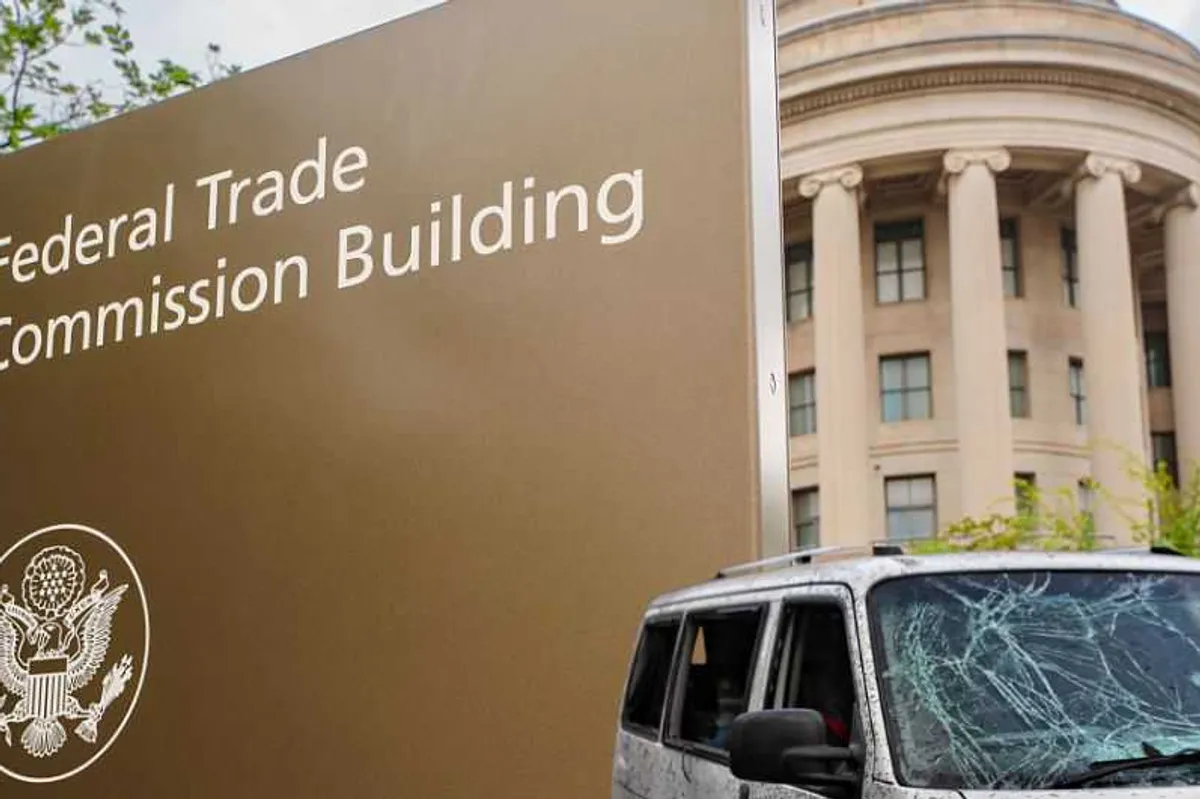
Most drivers don’t expect to hear from the federal government — unless something has gone very wrong.
But this month, more than 168,000 Americans opened their mailboxes to find checks from the Federal Trade Commission, tied to a case that exposed widespread deception in the vehicle service contract industry.
The FTC’s action may be a turning point, signaling that regulators are paying close attention to misleading automotive advertising.
The fallout is significant: More than $9.6 million is being returned to consumers who were misled and often left paying for repairs they believed were covered by CarShield and American Auto Shield.
It’s one of the largest automotive-related refunds of the year — and it raises serious questions about how these companies operate, what consumers should watch for, and whether the settlement goes far enough.
Scam watch
After years investigating automotive scams and pushing for transparency, I can say this case highlights a deeper problem: service contract companies relying on aggressive marketing, inflated promises, and fine print that favors the seller.
In July 2024, CarShield and American Auto Shield — two of the most recognizable names in the extended warranty business — agreed to pay nearly $10 million to settle an FTC complaint. The allegations included misleading advertising, deceptive telemarketing, and coverage claims that didn’t match reality.
Many drivers believed they were buying protection for major repairs, sometimes paying up to $120 a month. When problems arose, they discovered that coverage often disappeared behind exclusions, denials, and carefully crafted contract language.
Cover story
According to the FTC, the companies advertised that virtually all repairs — or all repairs to “covered” systems — would be paid. Drivers were told they could use any repair shop and receive free rental cars during breakdowns. Instead, many were stuck with bills they thought they had avoided.
The FTC argued these claims persuaded consumers to buy service contracts that failed to deliver. Under the settlement, both companies must stop deceptive marketing practices and ensure that endorsements and testimonials reflect real, verifiable customer experiences — an important change given how central celebrity endorsements were to their advertising.
Checks and balances
Refunds are already under way. Checks have been mailed to 168,179 affected drivers and must be cashed within 90 days. No banking information or payment is required. Consumers with questions are directed to the refund administrator or the FTC’s website.
This action is part of a broader FTC push to hold companies accountable in industries where consumers are easily confused or misled. In 2024 alone, FTC enforcement returned more than $339 million to consumers nationwide. Automotive issues remain a major focus because unexpected repair costs can quickly become a financial burden.
Vehicle service contracts — often sold as “extended warranties” — can be useful when offered clearly and honestly. Too often, however, consumers are sold peace of mind that turns into high monthly payments and denied claims, with exclusions overwhelming any real benefit.
RELATED: Ford just lost $20 billion on its EV investment
 Bloomberg/Getty Images
New scrutiny
The FTC’s move may signal a shift toward tougher oversight of automotive advertising. Whether it leads to broader industry reform remains to be seen, but companies using vague language and unrealistic promises are clearly facing more scrutiny.
Drivers deserve clear information and coverage that matches what is advertised. This case is a reminder to stay skeptical: If a deal sounds too good to be true, it probably is.
Bottom line: Big print gives, small print takes away. Read the contract carefully — because most of these deals simply aren’t worth it.