Trump personally deployed his top spy to Russia behind his aides' backs: report
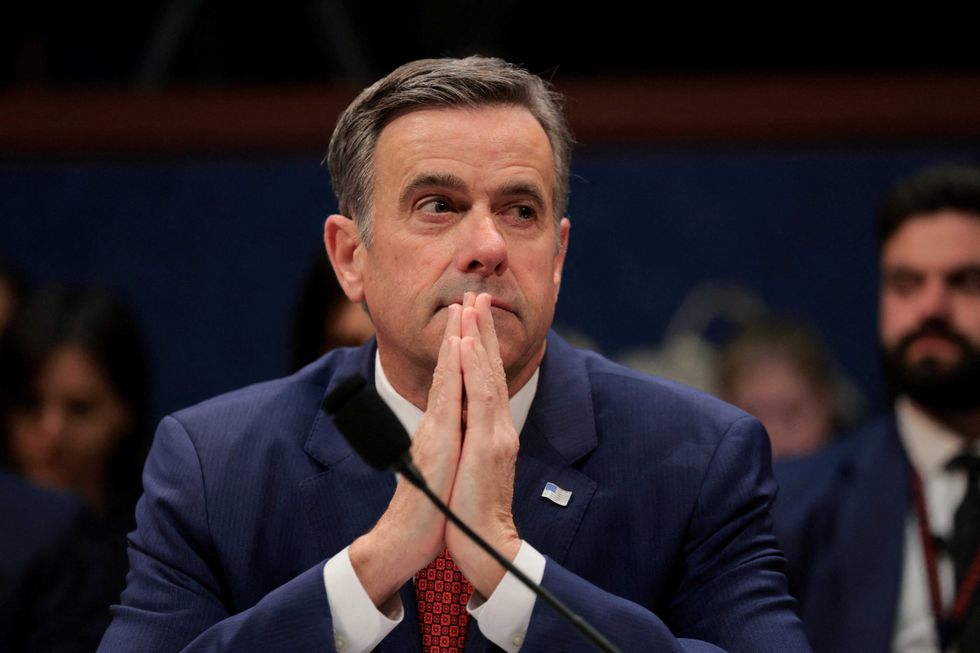
CIA Director John Ratcliffe's secret trip to Russia came at the personal direction of President Donald Trump while senior White House aides were kept in the dark.
According to a Thursday report by the Wall Street Journal, the covert diplomatic mission to Moscow was tightly held as Trump dispatched his top spy to carry a message to top Kremlin figures. Trump's move bypassed aides and military brass who would ordinarily be looped in beforehand, The Journal noted.
The choice to send Ratcliffe as an envoy also marked a shift, The Journal pointed out. Earlier rounds of talks were led by other Trump confidants but failed to halt the fighting in Ukraine. Trump then turned to Ratcliffe, according to anonymous U.S. officials who talked to The Journal.
Ratcliffe reportedly also took a secretive route into Russia as he flew into Moscow aboard an unmarked U.S. C-17 military cargo plane out of Latvia, according to The Journal. European officials told The Journal that the move sent them scrambling to figure out what had happened once word got out about Ratcliffe's mission.
Two European officials told The Journal that they were briefed on the meeting. Ratcliffe used the sit-down to stress Washington's continued backing of NATO's mutual-defense pledge and to warn Russia off any strike on alliance members, they told The Journal and later reporting revealed.
Trump brushed off worries about Russian aggression when reporters asked him about Ratcliffe's mission on Thursday, The Journal noted. Putin "won't attack NATO territory," Trump told reporters.
He also downplayed Ratcliffe's trip when he told conservative radio host Glenn Beck in an interview that the mission was "semi-routine," The Journal noted.
Officials along NATO's eastern edge struck a similarly calm tone, according to The Journal. Latvian Prime Minister Andris Kulbergs addressed the matter in a video posted to social media, The Journal reported.
"There is currently no reason for concern," Kulbergs said. "Latvia's level of military threat hasn't changed. The risk of direct military invasion threats to Latvia is currently low."
Former senior U.S. intelligence official J.C. Lintzenich, now at the German Marshall Fund, struck a graver tone when talking to The Journal, however.
"Putin has a tolerance for extraordinary risk and is even potentially willing to escalate to compel de-escalation," Lintzenich said. "But he is unlikely to roll the dice on actions that could threaten the Russian state."